
CDMX Tales
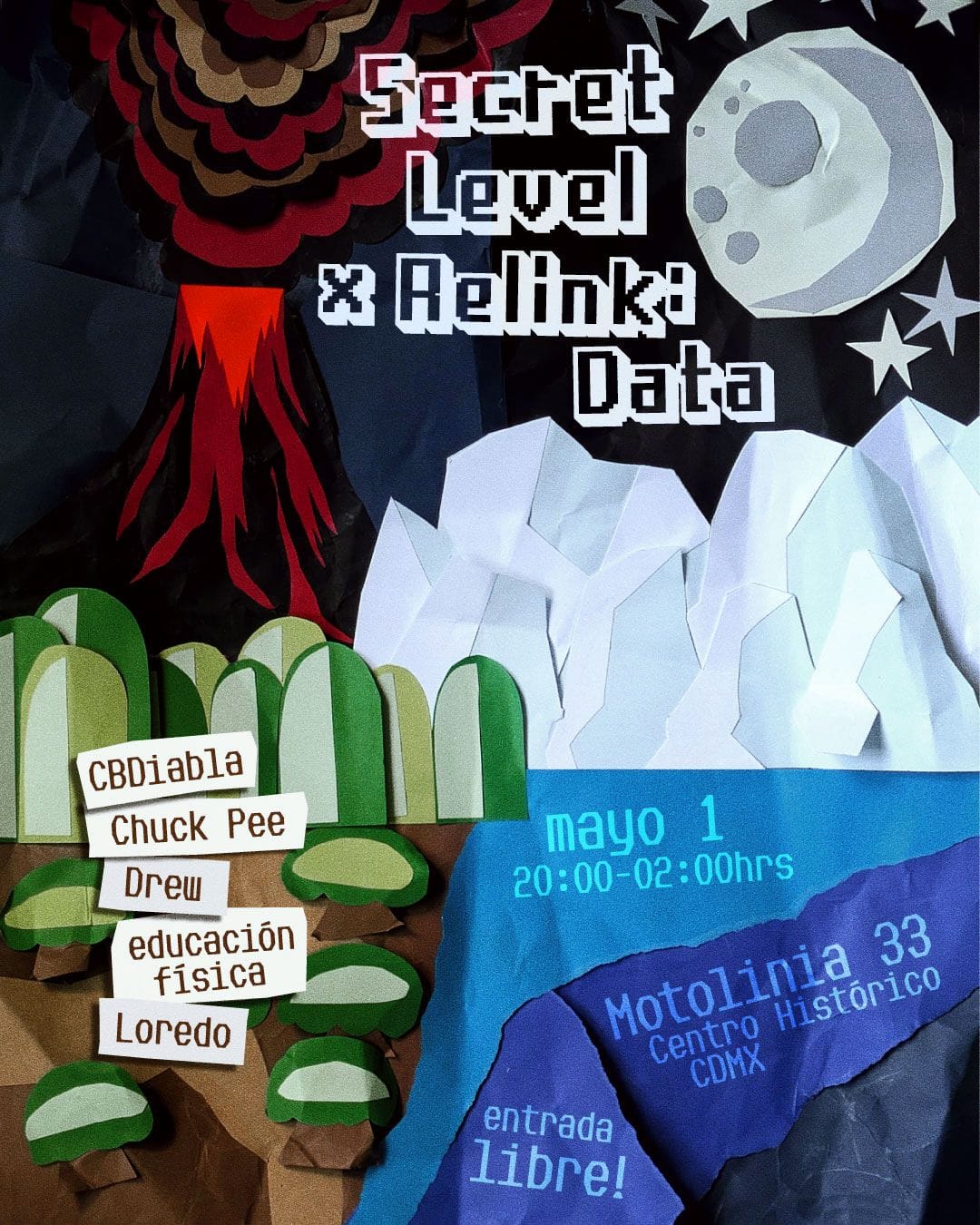
Hey all! I'm excited to share some dates in CDMX in the coming weeks. I'll be doing a showcase of Secret Level at Relink:Data, a presentation on alternative technological imaginaries and my personal archival and knowledge sharing practice with Desculonización, and another date TBD.
I've been around the city for the past few weeks having a lovely time. Here are some highlights:
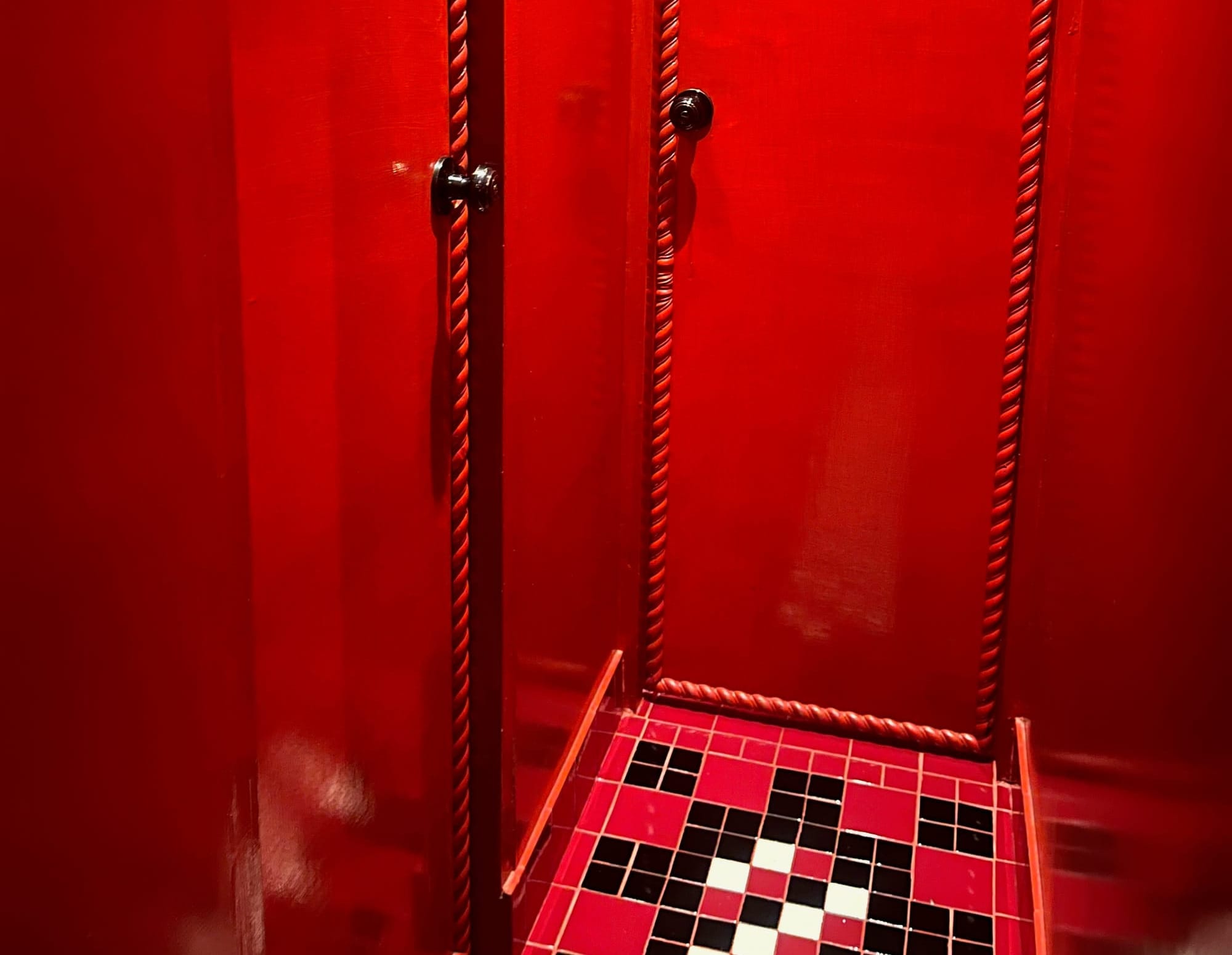
Got to see Daniela Huerta perform a deep drone and ambient set at El Desconocido, a venue straight out of a David Lynch film.
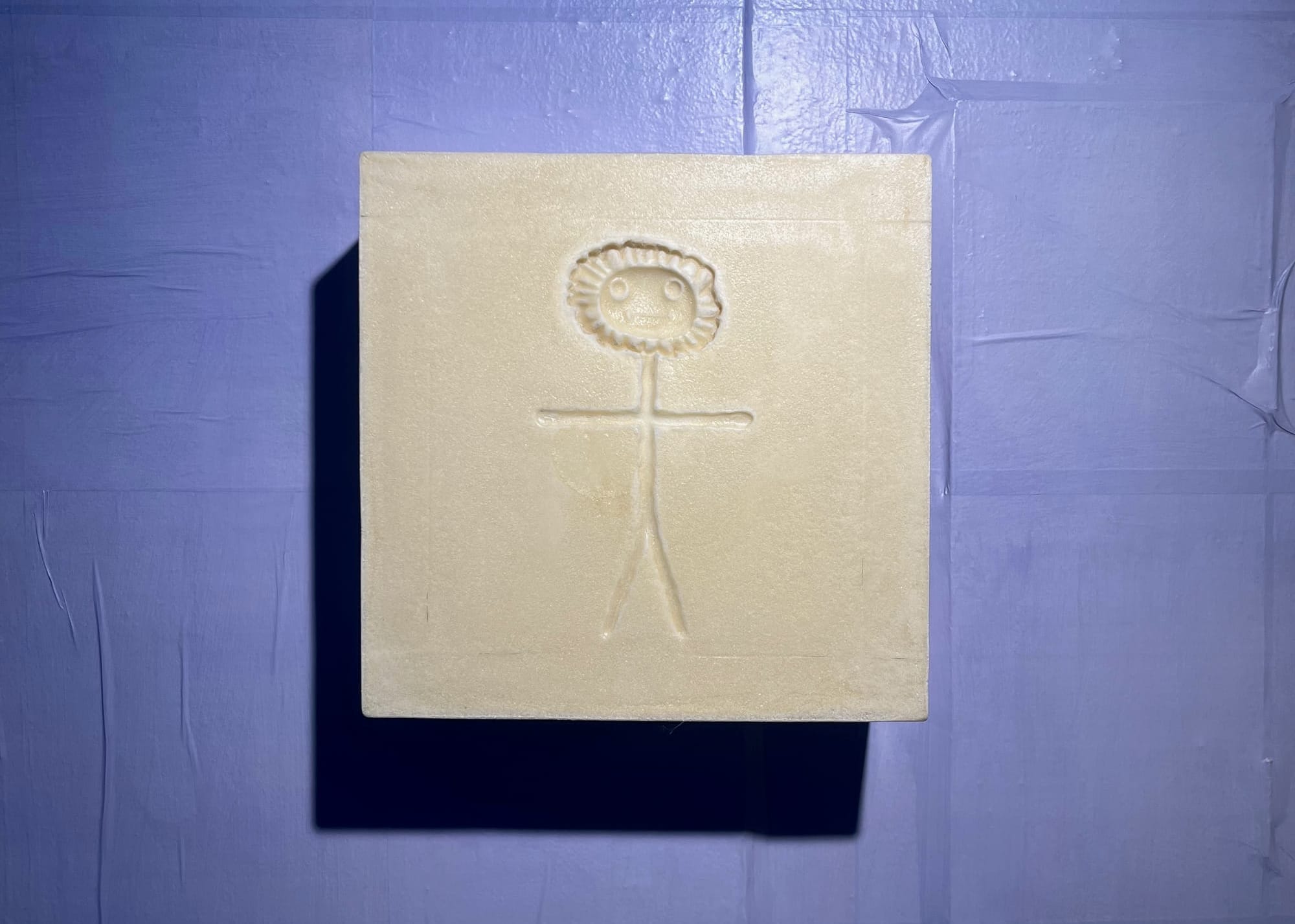
I visited Ivo Loyola's solo exhibit @ Cromatica Gallery, titled "Estado por Defecto". It's an exploration of NPCs and videogame worlds devoid of a player. It is an installation I found really immersive and that got me to conceive of videogame worlds that don't exist to please all of us afflicted by main character syndrome.
Also got to catch a gig focused on experimental and harsh sounds put together by Bleed. Awesome vibes all around and an attentive crowd focused on the music. The highlight was without a doubt Attention Whores' collab with Concepción Huerta: a crushing wall of drones and distorted shriek's that made my soul happy.
Next up was a takeover at Drama Radio Bar from Krema, an exciting record label from Guadalajara focused on bass and IDM music. The night centered around dubstep, one of the genres I'm in love with at the moment. I also got to meet Kozovo in person, who recorded a fantastic drone and ambient episode for Secret Level. I always cherish the opportunities that music gives me to go see internet friends in real life!
Buena Tarde B2B Kozovo - Playing their track KRANKYS
Gone Girl. Later I realized that the same track is being played in both video clips :P
I've also been clocking in some time in the studio, trying to get into the habit of having a consistent creative practice with sound. Slowly making Ableton less intimidating 😇
On Gentrification
No discussion of Ciudad de México would be complete without mentioning gentrification. In most of my conversations with people in the city, it is evident how they are being affected by these processes of capitalist urban development and the colonial dynamic of "expats" (immigrants from the global north) living in neighborhoods like Roma and Condesa.
Friends told me stories of being priced out of their neighborhoods and having to move further out, of moving back to their home states temporarily to save money and of general prices of goods and services going up. Meanwhile, walking around Roma and Condesa, you can hear English being being spoken in the street regularly and predominantly white patrons sitting at fancy restaurants. It is something I have observed in previous visits, but felt even more jarring this time around.
With the imminent arrival of the world cup, things have escalated for the worse. Many residents have been unjustly evicted from their properties to target them for development. Sex workers have been pushed out from important locations as the streets "get cleaned" for tourism to arrive. Commuters are spending insane amounts of hours going to and back from work, and rushed developments for the cup aren't helping. The reality is that things are not easy for working class residents of the city and its metropolitan area.
When it comes to the world of dance music, these phenomenons have had me thinking on gatekeeping and inclusion. At first I was of the idea that inclusion of everyone to every space was the right thing to do. However, as many underground spaces have opened up, corporate interests have infiltrated them and applied similar gentrification processes.
Underground music and soundsystem culture have always been about building local community and providing space for people with marginalized identities. But when many events require expensive tickets to attend, which can only be paid by affluent visitors, the intended audiences of these spaces get pushed away. There is no simple solution for this problem, but focusing on creating smaller and more insular communities that are connected to each other is a potential approach. Not every event needs to be for everyone, and that's ok.
Gentrification is complex, and even as a mexican, I am still a visitor to the city that in some ways participates in these processes. What is important is to be aware of what is happening, be open to feedback and to give back to the local communities in whatever shape you are able to counterbalance the crushing wave of capitalist interests. And if you don't speak Spanish, I highly encourage you to learn 😉
Member discussion